More artists. Less admin.
No Place Art replaced OESS with Dapple and in their second year on the platform, grew artist submissions by 30%, artworks received by 40%, and overall revenue well ahead of both. Here's exactly how they did it.
Background
Who is No Place Art, and what do they run?
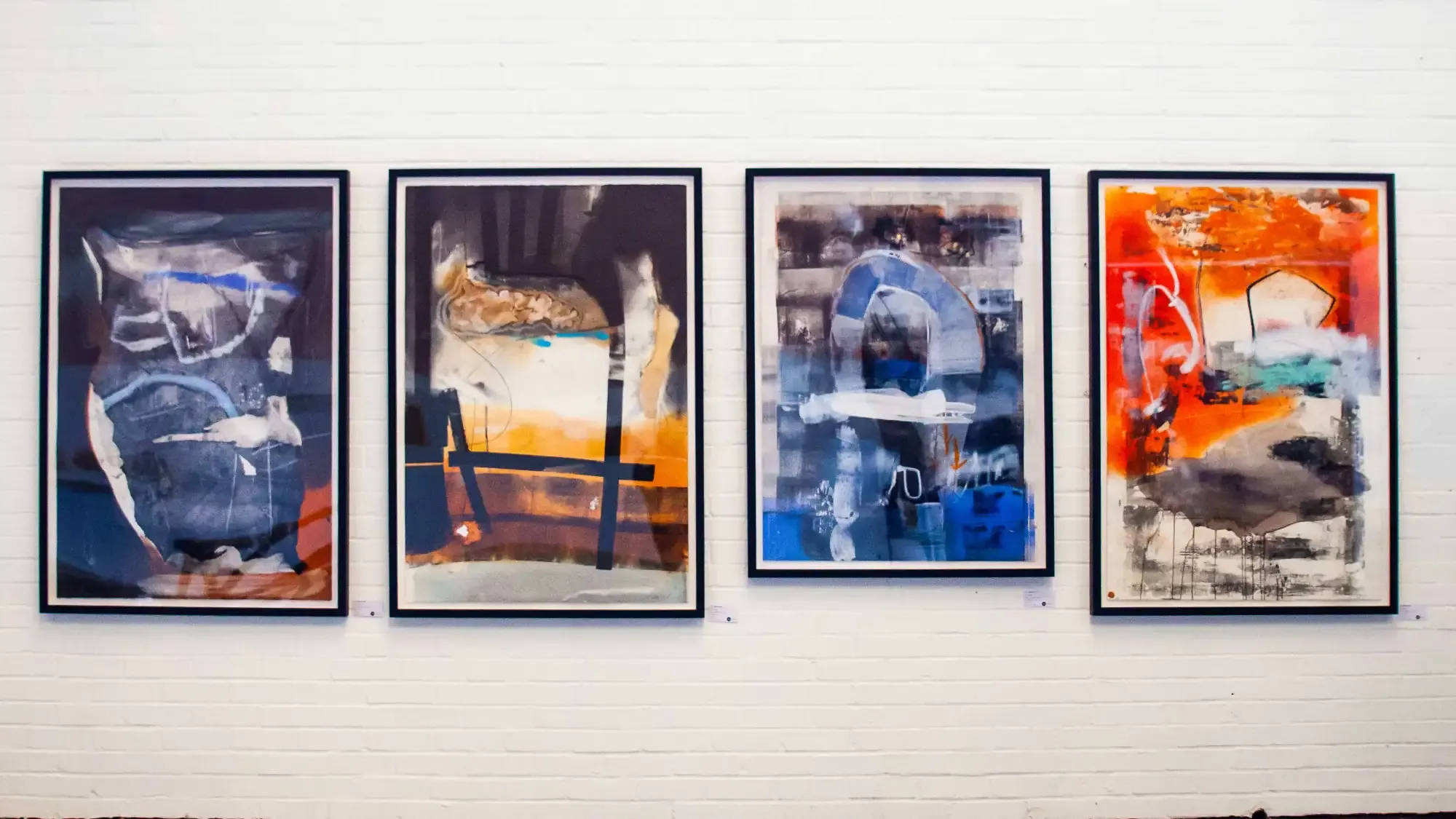
No Place Art is an independent arts organisation running juried open calls for contemporary artists. Their flagship programme, the Materiality exhibition, invites artists to submit work exploring material and process, attracting applicants from across the UK and beyond.
Each edition of Materiality involves an open submission window, a multi-stage judging process with seven judges, entry fees collected per artwork, and a post-show reporting process to understand who applied, from where, and in what mediums. It's a significant operational undertaking for a lean team.
The Problem
Why did No Place Art leave OESS for Dapple?
Before Dapple, No Place Art were using OESS (Open Exhibition Submission & Selection), one of the UK's established artist submission platforms, used by art societies and open exhibitions across the country. OESS does what it says on the tin, but it's a product of a different era: the interface is dated, the applicant experience is clunky, and the cost model, with pay-per-submission on top of platform fees, meant No Place Art were spending thousands of pounds each edition for a tool that didn't reflect the quality of their programme.
The payment process was particularly painful because fees weren't deposited directly into the organisation's account, and the judging workflow required significant manual coordination outside the platform. Communications with artists happened via external email. Post-show logistics lived in spreadsheets. The team was managing five or six different tools where one should have done everything. Switching to Dapple saved No Place Art thousands of pounds in platform costs, and gave them considerably more in return.
"OESS is fine if you're a local art society running one small call a year. We'd outgrown it, and we were paying a lot for the privilege of doing so."
Rowan, Founder, No Place Art
Getting Started
How did No Place Art get set up on Dapple?
Dapple's customer success team worked with No Place Art directly to configure their first open call by building out the branded submission form, setting up the payment structure (£24 for a first entry, £10 per additional artwork), and walking the team through the judging workflow before the call went live.
During the open submission window, applicants had access to in-app chat support, so questions from artists about the process were handled without burdening No Place Art's team. That support layer, available from day one, removed one of the most time-consuming parts of running a call.
The Solution
How did No Place Art use Dapple to run their open call?
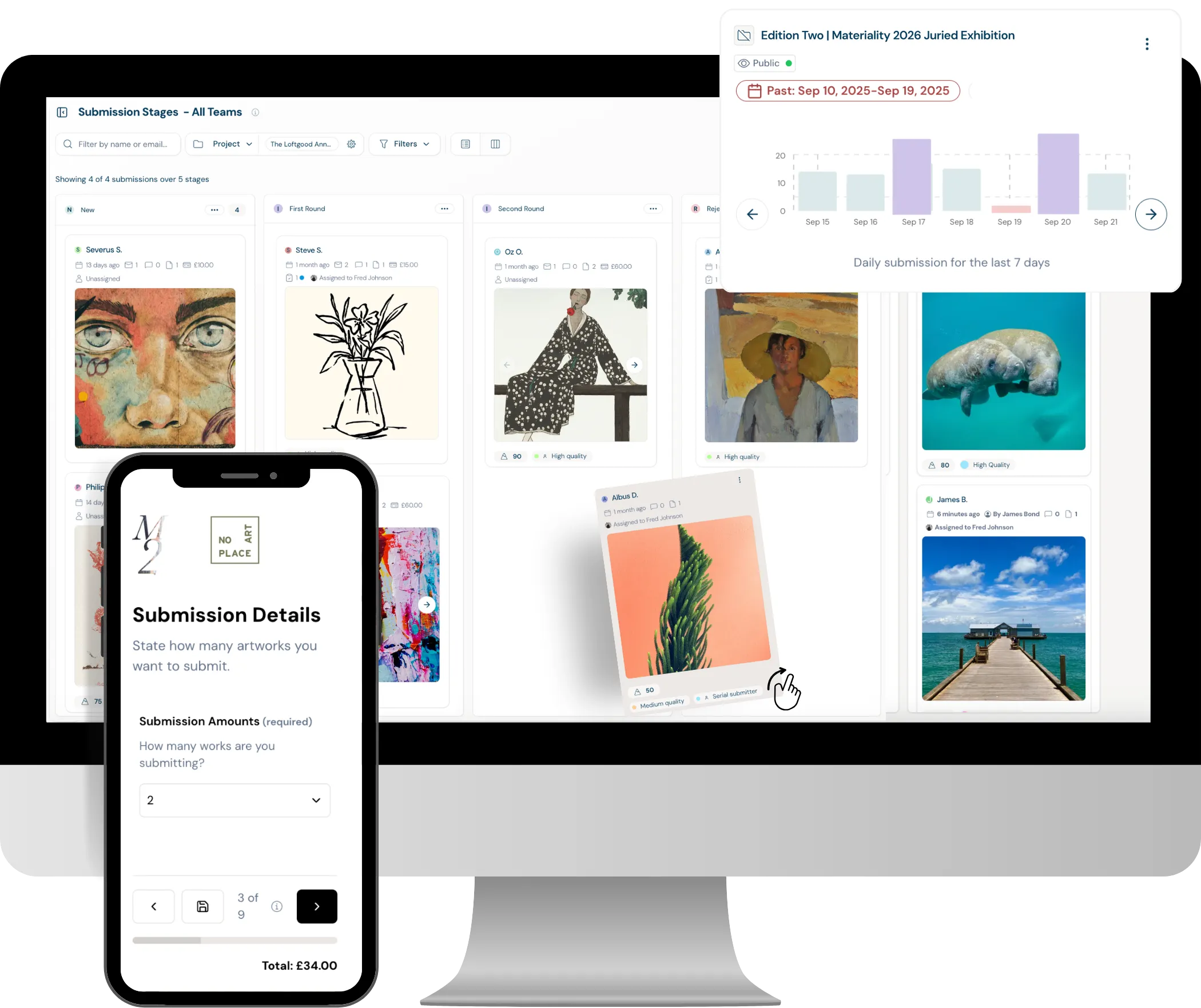
No Place Art built a fully branded submission form in Dapple, customised to their visual identity, with conditional logic to handle variable artwork counts and a multi-step structure that made the process clear for applicants. Artists could save drafts and return to complete submissions, which reduced drop-off significantly compared to their previous tool. A satisfaction survey built directly into the submission process returned an average rating of 4.9 stars, a signal that the experience landed well with artists, not just the organising team.
Branded submission form matching No Place Art's visual identity
Conditional logic handling 1–5 artwork entries per applicant
Draft-save functionality for artists completing submissions over multiple sessions
In-app applicant chat support throughout the submission window
Submission experience survey built into the process, with an average rating of 4.9 stars
Real-time submission dashboard for the No Place Art team
Payments
How did Dapple change the way No Place Art collected entry fees?
No Place Art's fee structure (£24 for the first artwork, £10 per additional entry) was configured directly in Dapple and connected to Stripe. Payments went directly into No Place Art's own Stripe account the moment each artist paid, with no holding period, no platform intermediary, and no monthly settlement delay.
With artists submitting an average of 2.6 artworks each, the tiered pricing structure meant revenue grew proportionally with engagement, and well ahead of the growth in artist numbers alone. The most common payment amounts were £24 (1 artwork), £34 (2 artworks), and £44 (3 artworks), with a meaningful tail of artists submitting four or five pieces.
"Seeing the payments land in our account in real time, not a month later, completely changed how we thought about the cash flow of running the call."
Rowan, Founder, No Place Art
Judging
How did Dapple manage independent scoring across a panel of 7 judges?
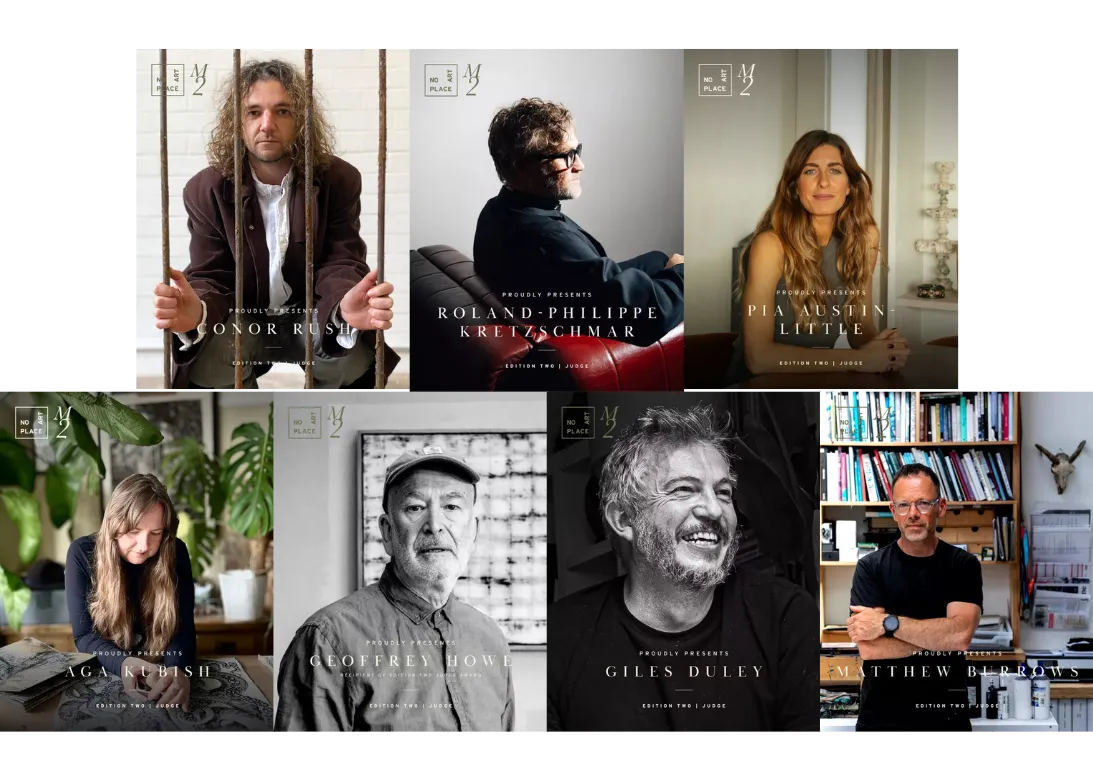
Each of No Place Art's seven judges received their own secure Dapple login and a personalised dashboard showing every artist and artwork submitted to the call. Judges worked independently by scoring each submission, leaving comments, and recording their individual recommendations, without being able to see each other's scores. This preserved the integrity of the panel process and removed the organisational overhead of collating feedback from seven separate inboxes.
Once all judging was complete, the No Place Art admin team had full visibility across every score and comment in one place. They could rank submissions by score, filter by judge, and review each set of artworks directly in the admin panel, making the selection process methodical rather than manual. Successful artworks were then moved into a dedicated "Selected" stage, creating a clean record of outcomes against each application.
Personalised judge dashboards where each reviewer sees every submission in their own workspace
Independent scoring and comments with no cross-contamination between judges
Admin-level score aggregation to rank and compare across all seven judges at once
Stage-based workflow where shortlisted and selected works move through defined pipeline stages
Full audit trail of scores, comments, and decisions against each application
Messaging
How did No Place Art communicate with hundreds of artists through the platform?
Once selections were made, No Place Art used Dapple's built-in messaging platform to notify applicants of their outcome by sending group messages to different cohorts simultaneously. Successful artists received one message, unsuccessful applicants another, all sent directly through the platform without needing to export email lists or use a separate tool. Replies came back into Dapple, and any individual queries were handled via 1:1 direct messages, keeping the entire conversation thread linked to the relevant application.
Messaging wasn't only used post-selection. In the run-up to the submission deadline, No Place Art sent draft reminder messages through the platform, targeting artists who had started but not yet completed their entry. These nudges converted a meaningful number of saved drafts into completed submissions, directly boosting both the number of artworks received and the revenue from entry fees.
Group messaging to cohorts to notify successful and unsuccessful applicants in separate sends
1:1 direct messaging for individual queries, all linked to the relevant application
Draft reminder messages in the run-up to deadline, converting saved drafts into completed entries
All replies handled within the platform, with no scattered email threads or missed messages
Post-Call Admin
How did No Place Art manage delivery logistics and exhibition preparation?
After selections were confirmed, No Place Art used Dapple to send follow-up forms to successful artists, collecting delivery information, artwork condition notes, and any additional details needed for the exhibition. These responses were tracked directly against each application, so nothing lived in a separate spreadsheet or got lost in an inbox. Every piece of information about an artwork, from the artist's submission through to their delivery details, was in one place.
For exhibition preparation, No Place Art used Dapple to generate a PDF of every selected entry, with full artwork details (title, medium, dimensions, price) printed cleanly alongside the submission. The result was a complete, print-ready exhibition pack produced without manual data gathering, reformatting, or chasing artists for information that had already been submitted.
Post-selection follow-up forms for delivery and logistics information
Form responses tracked against each application, with everything in one record
PDF export of all selected entries with full artwork details (medium, dimensions, price)
Individual artwork file downloads direct from the platform
No separate spreadsheets, email chains, or manual data consolidation
Post-Show Analytics
What did No Place Art do with their data after the call closed?
Once the submission window had closed and selections were made, No Place Art used Dapple's advanced export feature to pull a full dataset of applicants, artworks, and decisions in just a couple of clicks. Using a Claude integration, they built custom dashboards to analyse the breakdown of submissions by medium, geography, age, and how artists had heard about the call.
These analytics informed decisions for the following year, including where to focus marketing efforts, which channels were driving the highest-quality applicants, and how the programme's reach was evolving. The data also fed directly into grant reports and sponsor briefings, replacing a previously manual process of aggregating information from scattered spreadsheets.
"We could see everything: who applied, from where, what medium, and how they heard about us. That kind of insight used to take us days to pull together. Now it's just there."
Rowan, Founder, No Place Art
Results
What changed for No Place Art between year one and year two on Dapple?
The numbers tell a clear story: more artists, more artworks, more revenue, and a programme that's grown in scope without adding admin overhead. Year-on-year, from Edition One to Materiality 2026:
| Metric | Edition One (Year 1) | Materiality 2026 (Year 2) |
|---|---|---|
| Artists who applied | ~450 | ~550 (+30%) |
| Artworks submitted | — | +40% year-on-year |
| Avg. artworks per artist | 2.3 | 2.6 |
| Artist experience rating | Not measured | 4.9 stars (survey via submission form) |
| Avg. spend per artist | — | +£1.60 year-on-year |
| Entry fee revenue | — | Grew faster than artist numbers |
| Judges managed | — | 7, independent scoring |
| Artist communications | External email | In-platform group & 1:1 messaging |
| Deadline reminders | Manual | Draft reminders — boosted completions |
| Post-selection logistics | Separate forms & email | Follow-up forms tracked against each application |
| Exhibition pack | Manual data gathering | PDF of all selected entries, direct from platform |
| Platform cost | Thousands per edition (OESS pay-per-submission) | Significant saving — thousands less per year |
| Payment settlement | Delayed (OESS) | Instant, direct to Stripe |
| Post-show analytics | Manual spreadsheets | Automated dashboards via Claude integration |
The growth in average artworks per artist, from 2.3 to 2.6, reflects something important: artists who engage with the programme are choosing to submit more work. That's a signal of confidence in the submission experience, not just the programme itself. A clunky form caps that number. A well-designed one doesn't.
Why It Works
Why does Dapple work for organisations like No Place Art?
Dapple is built for the full open call lifecycle, not just the form. It handles branded submissions, tiered entry fees, multi-stage judging, real-time payment settlement, artist communications, post-selection logistics, exhibition pack generation, and post-show analytics in a single platform. For a lean arts organisation, that means one tool instead of six, and a team that spends their time on the programme rather than the admin.
The results No Place Art have seen, including 30% more artists and 40% more artworks, revenue growing faster than either, average spend up £1.60 per artist, aren't a product of spending more on marketing. They're a product of removing friction at every stage: from the submission form, to deadline reminders that converted drafts into completions, to a judging process that didn't require a spreadsheet, to exhibition logistics handled without a single rogue email. Switching from OESS to Dapple didn't just reduce admin; it removed a ceiling on how much the programme could grow.
"I'd spent years thinking the admin overhead of running a call was just the cost of doing it. Dapple showed me it doesn't have to be."
Rowan, Founder, No Place Art
Explore More
How Evermay Built a Rigorous Fellowship Application Process
See how Evermay launched and managed multi-cohort fellowship applications, review, and interviews in Dapple.
See Pricing
Find the perfect plan for your needs.
Book a Demo
See Dapple in action with a personalised demonstration.